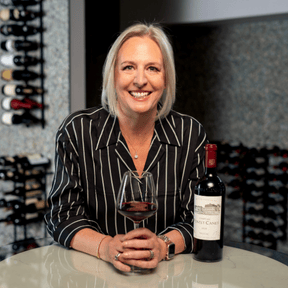
Pinot Noir: The Grape That Demands Respect

Pinot Noir: The Grape That Demands Respect

Pinot Noir is the most difficult major red grape in the world to grow.


This is not a provocation. It is a well-established viticultural fact. Pinot Noir is thin-skinned and therefore vulnerable to frost, rot, and disease. It buds early, which exposes it to spring frost damage. It ripens unevenly. It demands specific soil and climate conditions to produce wine of quality — get those wrong and the result is either a thin, acidic disappointment or an overripe, jammy muddle. There is very little middle ground.


And yet when Pinot Noir is grown in the right place, by a skilled and patient producer, it produces wines of extraordinary delicacy, complexity, and longevity. It is the grape that makes Romanée-Conti. It is the red grape of Burgundy. It is the reason why some of the most sophisticated wine drinkers in the world spend decades drinking almost nothing else.

Understanding Pinot Noir — what it is, what shapes it, what Burgundy does with it, and how it expresses itself around the world — is one of the most useful things you can do as a wine lover.


What Pinot Noir Actually Is

Flavour profile. Red fruit dominates: strawberry, red cherry, raspberry, cranberry in cooler climates. Dark cherry, plum in warmer sites. With age, the fruit gives way to earthier, more complex notes: forest floor, mushroom, dried rose, leather, truffle. This evolution — from fruit-forward in youth to earth-driven in age — is one of Pinot Noir's most distinctive qualities.


Tannins. Fine, silky, and light. This is crucial. Where Cabernet Sauvignon builds structure through firm, grippy tannins, Pinot Noir achieves structure through acidity rather than tannin. The resulting texture is smooth, almost liquid — the quality described as 'silky' or 'satiny' in tasting notes is real, and it is what makes Pinot Noir so food-friendly.


Acidity. High. This is what gives Pinot Noir its freshness, its food affinity, and its ageing potential. Acidity is the backbone that allows great Burgundy to evolve for twenty, thirty, forty years in bottle.


Colour. Lighter than most red wines — translucent ruby, often with a garnet tint. Do not mistake lightness of colour for lightness of flavour. The finest Burgundies are pale in the glass and profound in the palate.


Why Burgundy Is the Benchmark

Pinot Noir is grown around the world — Oregon, California, New Zealand, Germany, Chile, South Africa. It makes excellent wine in many of these places. But Burgundy remains the benchmark because it is where the grape has been grown, studied, and refined for the longest time, on the specific soils and in the specific climate where it performs most expressively.


The Côte d'Or's limestone and clay soils, the continental climate's warm days and cool nights during the growing season, and centuries of accumulated winemaking knowledge combine to produce wines that, at their finest, achieve a degree of complexity and precision that no other region has consistently replicated.


This is not snobbery. It is the result of place, time, and obsessive attention. Understanding the Burgundy benchmark helps you evaluate every other Pinot Noir you drink — what it is reaching toward, where it diverges, what the terroir and climate of its origin are doing to the grape's fundamental character.


Pinot Noir Around the World

Willamette Valley, Oregon. The closest American approximation to Burgundy's elegance — cool climate, volcanic and sedimentary soils, restrained winemaking philosophy. Silky, aromatic, red-fruited. $20–80+.


Central Otago, New Zealand. High altitude, continental climate, intense UV. More concentrated and ripe than Burgundy, with darker fruit and more obvious structure. $25–60+.


Sonoma Coast and Anderson Valley, California. Cooler coastal influence produces more restrained, elegant Pinot Noir than warmer inland California sites. $25–80+.


Baden and Pfalz, Germany. Spätburgunder (Pinot Noir) produced in Germany can be remarkably Burgundian in character — restrained, earthy, silky. An underestimated source. $20–60+.


In all of these regions, the same principle applies: cool climate produces more restrained, aromatic, high-acid Pinot Noir. Warm climate produces riper, more generous, darker-fruited expressions. Neither is wrong. They are different conversations about the same grape.


Thursday: roast lamb and Burgundy Pinot Noir, timed for the Easter weekend. The pairing is a natural — see you then.


Share your Pinot Noir experiences in the community. 👉 Click here → https://www.facebook.com/groups/expandyourpalate

Burgundy Pinot Noir: The Red Side of the Greatest Wine Region on Earth

Burgundy Pinot Noir: The Red Side of the Greatest Wine Region on Earth

We are spending three weeks in Burgundy — the region, the white wines, the Chardonnay map from Chablis to Côte de Beaune. This week we turn to the red side.

One grape. One region. A range that extends from approachable, honest, genuinely affordable wines to some of the most studied and most expensive bottles in the world. The same classification system — Régionale, Villages, Premier Cru, Grand Cru — applied now to Pinot Noir, and the same fundamental principle: the ground is what is classified, not the producer.

Burgundy's red wine map has two primary territories. The Côte de Nuits in the north, where Pinot Noir reaches its most complex and prestigious expression. And the Côte de Chalonnaise in the south, where the same grape produces honest, food-friendly wines at prices that make Burgundy actually accessible. Understanding both — the aspiration and the entry point — gives you the complete picture.

map of Burgundy wine regions - with all five subregions

The Côte de Chalonnaise — Where Burgundy Becomes Accessible

The Côte de Chalonnaise (shown in purple below) sits south of the Côte d'Or, its vineyards less celebrated and its prices considerably more reasonable. This is not a consolation prize. These are genuine Burgundy Pinot Noirs — the same grape, similar limestone and clay soils, made by producers who take their work seriously — at prices that allow you to drink them regularly rather than treating them as special occasions.

Zoom in on Cote de Chalonnaise on a map

The four main appellations worth knowing (these areas in shown in gold):

Zoom in on the regions of Cote de Chalonnaise

Mercurey. The largest and most important Côte de Chalonnaise appellation. Structured, age-worthy Pinot Noir with genuine Burgundian character — red fruit, earthiness, the quiet elegance that defines the region's red wines. Has its own Premier Cru vineyards. Excellent value at $20–45.

Givry. Historically associated with Henri IV, who is said to have favoured it. Lighter, more immediately charming than Mercurey, with bright red fruit and a silky texture that makes it excellent for everyday drinking. $18–35.


Rully. Primarily known for white wine (Chardonnay) but produces red Pinot Noir of genuine quality. Lighter style, aromatic, worth knowing. $18–30.

Montagny. Almost exclusively white wine — mentioned for completeness. For red Chalonnaise, focus on Mercurey and Givry.


The Côte de Chalonnaise is where your audience should start with Burgundy Pinot Noir. Not because it is inferior, but because it is honest and accessible and genuinely representative of what Burgundy red wine is and how it behaves at the table.


The Côte de Nuits — Where Pinot Noir Gets Serious

Côte de Nuits Village with cobblestone streets and french country rolling hills and architecture

The Côte de Nuits (shown in red below) is a narrow strip of limestone and clay hillside running from Marsannay in the north to Nuits-Saint-Georges in the south. It contains more Grand Cru vineyards than anywhere else on earth. The village names on its labels — Gevrey-Chambertin, Chambolle-Musigny, Morey-Saint-Denis, Vougeot, Vosne-Romanée, Nuits-Saint-Georges — are among the most recognised in wine.

Zoom in on Cote de Chalonnaise on a map

What distinguishes the Côte de Nuits from everything else Pinot Noir can do anywhere in the world is precision. These wines are not loud. They do not announce themselves with exuberant fruit or obvious oak. What they offer instead is a kind of concentrated quietness — layers of red and dark fruit, floral notes (violet, rose), earthiness that deepens into forest floor and truffle with age, and a silky, impossibly fine tannin structure that allows the wine to age for decades while remaining recognisably itself.

Zoom in on regions of the Cote De Nuits

Côte de Nuits Vineyard


Gevrey-Chambertin. The largest and most robust of the Côte de Nuits villages. Structured, firm, needs time. The Chambertin Grand Cru was Napoleon's preferred wine. Village level: $45–80. Grand Cru: $300–1,000+.

Chambolle-Musigny. The most elegant and perfumed of the Côte de Nuits villages. Lighter in colour and body than Gevrey, with extraordinary floral aromatics — violet, rose, delicate red fruit. Musigny Grand Cru is among the most delicate and complex red wines in the world. Village level: $55–90.

Vosne-Romanée. Home to Romanée-Conti — one of the most expensive wines on earth (a single bottle can exceed $20,000). But even village-level Vosne-Romanée shows the extraordinary perfume, silkiness, and depth that makes this the most celebrated Pinot Noir address in the world. Village level: $65–100+.

Nuits-Saint-Georges. No Grand Cru vineyards, but excellent Premier Cru wines with more structure and rusticity than Vosne. A more accessible entry point to Côte de Nuits character. Village level: $40–70.

The Côte de Nuits is not an everyday proposition for most wine lovers. It is a destination — the aspiration that explains why Burgundy Pinot Noir commands the attention it does globally. Knowing where it sits in relation to the Chalonnaise gives you the complete map.


The Côte de Beaune — Where Pinot Noir Shares the Stage

The Côte de Beaune runs south from Beaune itself to Santenay, and it is Burgundy’s other major red wine territory — less celebrated for Pinot Noir than the Côte de Nuits, but genuinely important and, for most wine lovers, considerably more approachable in price. The same limestone hillsides, the same classification system, the same grape.

Zoom in on Cote de Chalonnaise on a map

What differs is character: Côte de Beaune Pinot Noirs tend toward elegance and early drinkability rather than the concentrated power and longevity of the north.


Volnay. The most elegant red wine village in the Côte de Beaune. Silky, perfumed, floral — the character here leans toward the delicacy of Chambolle-Musigny rather than the structure of Gevrey. Excellent Premier Cru vineyards. Village level: $45–75.


Pommard. The more structured counterpart to Volnay, just to its north. Darker fruit, firmer tannins, more grip — the most robust red wine in the Côte de Beaune. Needs time more than most village-level wines from this part of Burgundy. Village level: $45–80.


Beaune. The commercial heart of Burgundy and a significant red wine appellation in its own right, with an extensive Premier Cru portfolio owned largely by the region’s great négociant houses. Accessible, consistently well-made, a reliable entry point to Côte de Beaune red wine character. Village level: $35–65.


The Côte de Beaune completes the red wine picture of Burgundy. This is where I spent time on my trip — the villages, the Premier Cru vineyards, the négociant cellars of Beaune itself. I’ll be sharing those specific experiences and bottles in the coming weeks. For now: know that this part of Burgundy gives you genuine Pinot Noir at prices slightly below the Côte de Nuits prestige premium, in a style that is approachable, food-friendly, and very much worth your attention.

We held a side-by-side tasting on the River Cruise the night we floated down through the Côte de Beaune...


Tasting This Week

For those who really want to get a feel for a quintessential Red Burgundy, a Mercurey or Givry is the right bottle to open this week — honest, representative, at a price that allows you to open it without ceremony. If you have access to a village-level Côte de Nuits, tasting them side by side is one of the most instructive exercises in wine education.


Thursday: roast lamb and Burgundy Pinot Noir — a pairing that arrives just in time for the Easter weekend. Share what you find in our community. 👉 Click here → Expand Your Palate


Burgundy: The Region That Changes How You Think About Wine

Burgundy: The Region That Changes How You Think About Wine

In November, I stood in the courtyard of the Hospices de Beaune the day before the auction.

The setup was already underway — the barrels arranged, the logistics of one of the world’s oldest wine charity events taking shape around us. I had known about this auction for years. Studied it. Taught it. But standing inside it, in the courtyard of a 15th-century hôtel-Dieu built to care for the poor of Burgundy, the barrels of wine that would sell the following day lined up in the candlelit cellar — I understood something about this region that no textbook had quite delivered.

The wine is not incidental to Burgundy. It is structural. It has funded hospitals, shaped politics, defined an entire civilisation’s idea of what the land is worth. And it sells, still, by the barrel — because the barrel is the unit of measure that has always made sense here. We were, frankly, shocked. A single barrel. Not a case, not a bottle. A barrel.


Stack of wine barrels


This week we begin Burgundy. Not a single wine, not a single village — the whole complex, extraordinary, occasionally maddening region. Consider this the foundation.


Where Burgundy Is and Why It Matters

Burgundy — Bourgogne in French — sits in eastern France, running roughly north to south for about 250 kilometres from Auxerre in the north to Lyon in the south. It is not a large region. The entire appellation produces less wine in a year than a single major Bordeaux château might. What it produces, in its finest expressions, is considered by many wine professionals to be the closest thing wine has to a benchmark.

map of Burgundy wine regions - with all five subregions

The reason is terroir — and Burgundy is where the concept of terroir became a philosophy. The idea that the specific patch of ground a vine grows in shapes the wine in ways that cannot be replicated elsewhere, that two vineyards fifty metres apart can produce wines of entirely different character, that the soil, the slope, the drainage, and the microclimate matter as much as the grape or the winemaker — this idea was not invented in Burgundy, but it was refined, mapped, and codified here over centuries with an obsessive precision found nowhere else.


Rolling hills of grapevines in the Beaune region


The Grapes

Burgundy is built on two grapes. Chardonnay for white, Pinot Noir for red. That is almost the entire story, which is part of what makes the region so instructive: the same two varieties, grown across hundreds of different named vineyard sites, produce wines of extraordinary range and distinction.


Two other grapes exist in Burgundy and deserve a brief mention for the complete picture. Aligoté is a white grape — leaner, sharper, higher in acidity than Chardonnay — traditionally used to make Bourgogne Aligoté, a lighter white wine and the traditional base for Kir (Aligoté with a splash of blackcurrant liqueur). Gamay, which we explored last week in Beaujolais, is permitted in Burgundy in the Beaujolais appellation and in the blended Passe-Tout-Grains style. Both are minor players. Chardonnay and Pinot Noir are the story.


This week: Chardonnay in depth, and Chablis as our tasting example — the northernmost, coolest, most mineral expression of what this grape does in Burgundy. Next week: Mâcon, and Chardonnay in an entirely different register. The same grape, very different conversations.


The Classification System

Burgundy’s classification system is one of the most specific and most studied in wine. Understanding it removes a significant amount of confusion from labels and gives you a framework for navigating any Burgundy you encounter.


There are four levels, moving from broadest to most specific:


Régionale (Regional). The widest designation — ‘Bourgogne’ or ‘Bourgogne Blanc’ on the label. Grapes can come from anywhere within the appellation. Reliable, honest, often excellent value. Entry point to the region.


Villages. Wines from a specific village — Gevrey-Chambertin, Meursault, Chambolle-Musigny. The village name appears on the label. A significant step up in character and specificity.


Premier Cru. Named vineyard sites within a village, officially classified as superior. The vineyard name appears on the label alongside the village: ‘Meursault Premier Cru Les Charmes.’ These sites have been identified and mapped over centuries as consistently producing finer wine than surrounding parcels.


Grand Cru. The highest classification — 33 vineyard sites across all of Burgundy, standing entirely on their own. No village name required on the label. ‘Chambertin.’ ‘Montrachet.’ ‘Clos de Vougeot.’ These names are sufficient. The vineyards have earned that.


What makes this system remarkable is that it is a map of the land, not of the producers. The same Premier Cru vineyard may have twenty different owners, each making wine from their parcel. The classification belongs to the ground, not the person farming it. This is the terroir philosophy in institutional form.


The Dukes of Burgundy — A Brief Word

Burgundy’s wine culture did not emerge from nowhere. Between the 14th and 15th centuries, the Duchy of Burgundy was one of the most powerful political entities in Europe — wealthier than the French crown at certain points, controlling territory that extended from Burgundy north through the Low Countries. The Valois Dukes — Philip the Bold, John the Fearless, Philip the Good, Charles the Bold — were active patrons of viticulture. Philip the Bold, the same Duke who banished Gamay from Burgundy in 1395 in favour of Pinot Noir, understood that the quality of Burgundy’s wine was an instrument of political prestige. The wine poured at a ducal table was a statement about the power of the territory it came from.

Profile of Phillip II from a painting


That legacy — of wine as an expression of place and civilisation rather than simply a beverage — is embedded in Burgundy’s culture in a way that still shapes how the region presents itself. The Hospices de Beaune auction, founded in 1859, is a direct continuation of that tradition: the wines of specific vineyards, sold to benefit a hospital, in a ritual that the entire wine world watches. Standing there the day before it happened, I felt the weight of it.


This Week’s Tasting Wine: Chablis

Chablis sits at Burgundy’s northern extreme — geographically closer to Champagne than to the Côte d’Or, on ancient Kimmeridgian limestone and clay soils packed with fossilised oyster shells. The climate is cool, the growing season short, the wines it produces unlike anything else Chardonnay makes anywhere else on earth. We explore Chablis in depth on Tuesday and pair it with crab legs on Thursday.

Two bottle of Chablis, side by side

Find a Chablis this week. It does not need to be a Premier Cru — a straightforward Chablis AOP will do. Taste it cold, without food first. Notice the flint, the chalk, the mineral quality that precedes the fruit. That quality is the Kimmeridgian limestone expressing itself through the glass. That is Burgundy.


Share what you find in our community: Expand Your Palate

Northern Italy’s Refined Essence: Highlighting Wines with Unmatched Elegance and Precision

Northern Italy’s Refined Essence: Highlighting Wines with Unmatched Elegance and Precision

Today, we will be discovering Northern Italy, a region of extraordinary winemaking, where the interplay of diverse climates and terrains creates a backdrop for some of the country’s most celebrated wines. From the powerful Nebbiolo-based Barolo and Barbaresco of Piedmont to Veneto’s rich Amarone and sparkling Prosecco, and Lombardy’s elegant Franciacorta, Northern Italy offers a fascinating exploration of tradition and innovation. Each wine reflects the intricate relationship between the land and the people who cultivate it, making Northern Italy a true haven for wine enthusiasts.

Location and Climate

Nestled between the majestic Alps and the northern Apennines, regions such as Piedmont, Veneto, and Lombardy boast a climate that ranges from continental extremes to temperate influences provided by the mountains and the Po River. This diverse climate is mirrored in the region’s terroir, where volcanic soils of Soave meet the limestone-rich terrains of Barolo, creating a unique canvas for winemaking. The high-altitude vineyards enhance the acidity and structure of Northern Italian wines, resulting in a broad spectrum of styles.

Terroir

The terroir of Northern Italy is marked by its diverse soils, ranging from the volcanic soils of Soave in Veneto to the limestone-rich terrains of Barolo in Piedmont. This region’s terroir is often characterized by its high altitude vineyards, which contribute to the acidity and structure of its wines. The varying altitudes and microclimates within this region allow for a wide range of grape varieties and wine styles.

Notable Wines

  • Piedmont: Known for Barolo and Barbaresco, two powerful red wines made from Nebbiolo grapes.
  • Veneto: Famous for Prosecco and the rich, complex Amarone della Valpolicella.

The parish church of Marano di Valpolicella in the famous Valpolicella wine region in the Veneto area of northern Italy

  • Lombardy: Renowned for Franciacorta, Italy’s answer to Champagne.

Northern Italy is a treasure trove of iconic wines, each region offering its own distinct flavors and styles. Piedmont is celebrated for its Nebbiolo-based reds, particularly Barolo and Barbaresco. These powerful wines are known for their complex aromas and flavors, ranging from rich dark fruits to earthy notes, with the ability to age beautifully for decades. In Veneto, the spotlight shines on Prosecco, a sparkling wine that has become a global favorite for its crisp, refreshing bubbles and lively character. Veneto is also home to Amarone della Valpolicella, a rich and opulent red wine made from dried grapes, which imparts deep flavors of raisins, chocolate, and spices. Lombardy adds its own flair with Franciacorta, Italy’s premier sparkling wine crafted using the traditional method, akin to Champagne. Known for its fine bubbles and elegant profile, Franciacorta offers a sophisticated alternative to its French counterpart.

Grape Varietals

  • Piedmont: Nebbiolo, Barbera, Dolcetto, Moscato.
    • Panorama of Piedmont vineyards and Barbaresco town
  • Veneto: Corvina, Rondinella, Molinara, Glera.
  • Lombardy: Chardonnay, Pinot Noir, Nebbiolo (locally known as Chiavennasca)

The grape varietals of Northern Italy play a crucial role in defining the character of its wines. In Piedmont, Nebbiolo stands out as the star, creating the region’s renowned Barolo and Barbaresco. Barbera and Dolcetto are also prominent, offering vibrant, fruit-forward reds that are approachable yet complex. Moscato, with its sweet, aromatic profile, provides a delightful contrast, often enjoyed as a dessert wine. Veneto’s vineyards are home to Corvina, Rondinella, and Molinara, the trio of grapes that form the base for Amarone and Valpolicella, each contributing unique flavors and depth. Glera, the grape behind Prosecco, is celebrated for its fresh and effervescent qualities. In Lombardy, Chardonnay and Pinot Noir contribute to the creation of Franciacorta, while Nebbiolo, locally known as Chiavennasca, adds a distinctive touch to the region’s red wines.

Panorama of Novello (Piedmont, Italy) with the town and the vineyards. Novello is the main villages of the Langhe wine district. High quality photo

Styles of Wine

  • Piedmont: Barolo and Barbaresco (both Nebbiolo-based), Barbera d’Alba, Moscato d’Asti.
  • Lombardy: Franciacorta (traditional method sparkling wine), Valtellina (Nebbiolo-based reds)
  • Veneto: Amarone della Valpolicella (drying grapes), Prosecco (sparkling wine), Soave (white wine from Garganega grapes).

Bassano del Grappa, small medieval town in the Alps mountains, Veneto region, Italy

The wine styles of Northern Italy are as diverse as its landscapes, each offering a unique tasting experience. In Piedmont, Barolo and Barbaresco are celebrated for their depth and complexity, both made from Nebbiolo and known for their rich tannins and aging potential. Barbera d’Alba provides a more accessible, fruit-driven option, while Moscato d’Asti offers a light, sparkling sweetness perfect for pairing with desserts. Veneto showcases its versatility with Amarone della Valpolicella, a robust red created from dried grapes, and Prosecco, a lively and sparkling wine ideal for any celebration. Soave, a white wine made from Garganega grapes, is another Veneto gem, known for its crisp, mineral qualities. Lombardy’s Franciacorta, produced using the traditional method, offers a refined sparkling wine experience, while Valtellina presents Nebbiolo-based reds that are often compared to Barolo but with a distinctive Alpine influence.

Idyllic morning view at Breuil Cervinia with the Matterhorn, Valtournenche, Aosta Valley, Italy.

Unique Terminology

  • Piedmont: “Cru” (vineyard), “Sori” (sun-exposed vineyard), “Spanna” (local name for Nebbiolo).
  • Veneto: “Appassimento” (drying grapes to concentrate flavors), “Ripasso” (repassing Valpolicella wine over Amarone grape skins).
  • Lombardy: “Metodo Classico” (traditional method for sparkling wine)

Northern Italy’s wine regions boast a rich lexicon that adds depth to their winemaking traditions. In Piedmont, terms like “Cru” and “Sori” highlight the importance of specific vineyard sites, with “Cru” referring to a distinguished vineyard and “Sori” indicating a sun-exposed plot that enhances ripeness. “Spanna” is the local name for Nebbiolo, reflecting the region’s deep connection to this grape.

Veneto’s unique terminology includes “Appassimento,” the process of drying grapes to concentrate their flavors, which is integral to producing Amarone. “Ripasso” refers to a technique where Valpolicella wine is passed over the skins of Amarone grapes, enriching its flavor profile.

In Lombardy, “Metodo Classico” denotes the traditional method used to produce Franciacorta, emphasizing the meticulous craftsmanship involved in creating this celebrated sparkling wine. These terms offer a glimpse into the intricate winemaking practices that define Northern Italy’s exceptional wines.

Northern Italy stands as a testament to the artistry and innovation of winemaking. From the rugged landscapes of Piedmont to the rolling hills of Veneto and the serene beauty of Lombardy, this region encapsulates a diverse array of climates, soils, and traditions. The exceptional wines of Northern Italy—such as the Nebbiolo-based Barolo and Barbaresco, Veneto’s luxurious Amarone and lively Prosecco, and Lombardy’s elegant Franciacorta—each tell a unique story of their origin, reflecting the intricate relationship between the land and its people. The region’s diverse terroirs and grape varietals contribute to an impressive spectrum of wine styles, ranging from robust reds and sparkling wines to refreshing whites. The specialized terminology used in Northern Italy’s winemaking further enriches our understanding, offering insights into the time-honored techniques that have shaped its renowned wine culture. For wine enthusiasts, Northern Italy represents a captivating exploration of tradition and innovation, where each bottle offers a glimpse into the region’s rich heritage and dedication to excellence.